I commend the matriarch, Ajoke Silva Jacobs, and the children, Olusoji, Olugbenga and Oludayo Jacobs, for a befitting funeral service and final rites for our dear departed Uncle Olu.
It was a two-hour concert experience worthy of Broadway: punctual, precise and beautifully cued, with music, sound and exhortation woven into an atmosphere of solemnity and peace. Only the aura of Olu Jacobs could have inspired such a farewell.
I can almost see him beaming his famous smile down at us and whispering approvingly, “Well done.”
Kudos also to the organisers and media team for a beautifully delivered tribute.
Oludotun Baiyewun Jacobs has left us, but he will never be forgotten. His memory and legacy will remain treasured in our hearts.
Ebrohimie Road: A New Documentary Film on Wole Soyinka Before He Won the Nobel Prize for Literature
Ebrohimie Road: A Museum of Memory is a documentary film written, produced, and directed by Kola Tubosun, and shot by Tunde Kelani, about the eponymous location at the University of Ibadan where Nigerian writer/playwright and Nobel Laureate Wole Soyinka lived and worked between 1967 and 1972.
Prof. Wole Soyinka with the famous Nigerian filmmaker and historian, Tunde Kelani.
It was from there that Soyinka was arrested in 1967 after visiting the breakaway Biafra that was engaged in a civil war with Nigeria, and it was there to which he returned in 1969 after his release, before leaving for a voluntary exile a few years later.
The film premiered in Nigeria in July 2024 as part of activities to mark Soyinka's 90th birthday, and has continued to screen in venues in the United States, United Kingdom, and elsewhere.
Read the well written review by Toni Kan on https://thelagosreview.ng/ebrohimie-road-from-soyinkas-shrine-to-fashinas-altar-toni-kan/
The title of the documentary should have been Ebrohimie Road: The Metamorphosis of Wole Soyinka.
Before the Nigerian government started supporting Nollywood and the Nigerian film industry with grants from the Project Act Nollywood and the NollyFund of the Bank of Industry (BoI), the French government through the French Ministry of Foreign Affairs supported the film and TV productions of selected Nigerian filmmakers. The French Audio Visual Attaché in Nigeria (2002-2006), Monsieur Pierre Barrot authored one of the first books on the phenomenon of Nollywood, "Nollywood: The Video Phenomenon in Nigeria" published by the Indiana University Press in 2009.
One of films sponsored by the French government, "Eternal" by Chike Ibekwe won the best film award (Ecrans Dór) at the 14th edition of Ecrans Noir Film Festival in 2010 in Yaoundé, Cameroon.
Another outstanding film produced with the support of Fonds images Afrique of the French Ministry of Foreign Affairs was "Changing Faces";by Faruk Lasaki, the first Nigerian film to be dubbed into French and broadcast by Canal France International in 2009 to all television channels in French-speaking Africa under the title "La Métamorphose".
Nigerian Films and TV series projects which benefitted from French production funding and were fully completed.
NIgerian filmmakers produced over twenty outstanding movies both on film and video, even though none fulfilled the criteria to qualify for the NIgerian entry for the Best International Feature category of the 94th annual Academy Awards coming up on March 27, 2022.
The following are my selection of the top ten best NIgerian movies in 2021 based on peer reviews, film criticisms, awards and nominations and thematic importance, relevance and significance on contemporary issues of current affairs and history of NIgeria in the screenwriting, directing and cinematography.
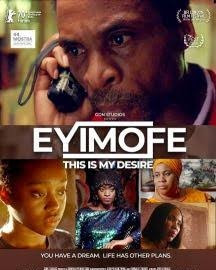
1 Eyimofe by Chuko and Arie Esiri
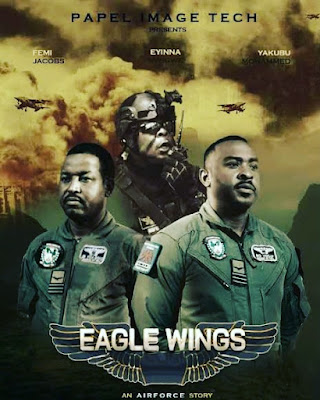
2. Eagle Wings by Paul Apel Papel.
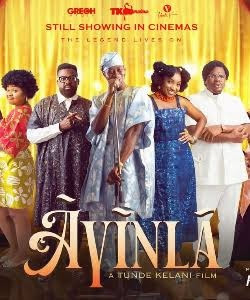
3. Ayinla by Tunde Kelani.
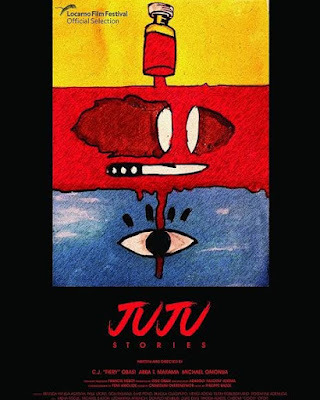
4. Juju Stories by C.J. Obasi, Abba Makama and Michael Omonua.
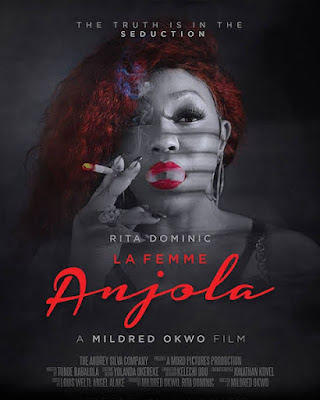
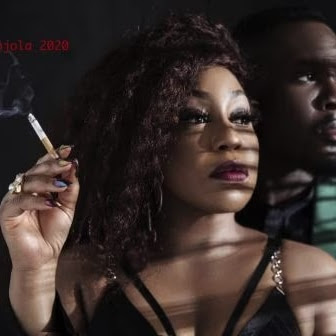
5. La Femme Anjola by Mildred Okwo.
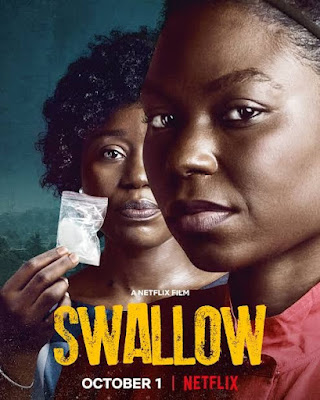
6. Swallow by Kunle Afolayan.
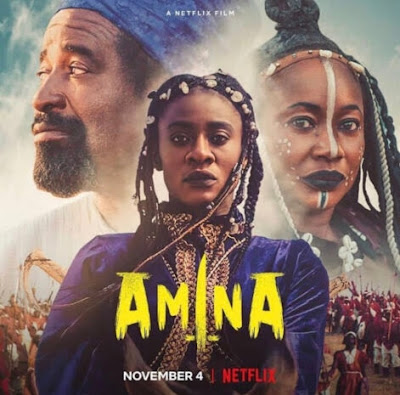
7. Amina by Izu Ojukwu.
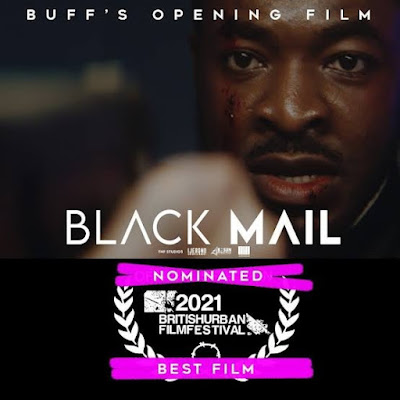
8. Black Mail by Obi Emelonye.
9. Gone by Daniel Ademinokan.
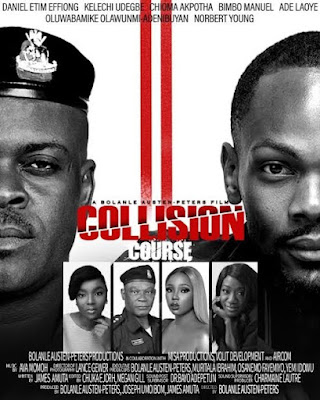
10. Collision Course by Mrs. Bolanle Austen-Peters.
Notable Mentions
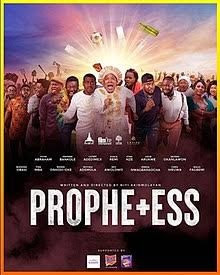
Prophetess by Niyi Akinmolayan.
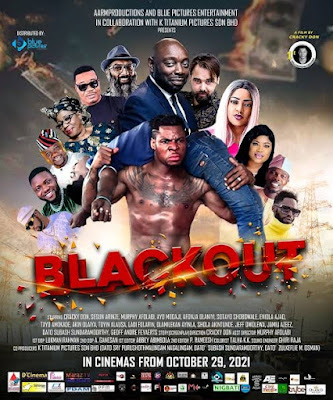
Blackout by Abbey Abimbola, aka Crackydon.
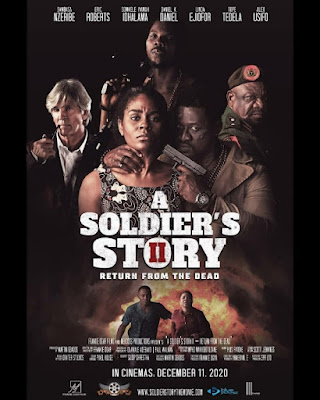
A Soldier's Story 2 by Frankie Ogar.
Best Actor OC Ukeje as "Chinda" in Blackmail Best Actress Rita Dominic as Anjola in La Femme Anjola.
Rita Dominic is one of the best actors not only in NIgeria, but the rest of Africa and the world. She is one of the few actors I know who can turn a bad screenplay into a masterpiece.
The cinematic experience of "La Femme Anjola" will be more romantic when dubbed in the French language and Spanish language. Mildred Okwo should have the theatrical release of the French language copy in French speaking countries and the Spanish language copy in Spanish speaking countries.
- By Ekenyerengozi Michael Chima,
Publisher/Editor,
NOLLYWOOD MIRROR® Serie,
The first book series on Nollywood and the Nigerian film industry since 2013,, printed in Raleigh, North Carolina, USA.
Art and book design by Juvelin Aripal in the Philippines.
Published by International Digital Post Network Limited.
Faruk Lasaki's Changing Faces will make history at the 2009 African Film Festival of Ouagadougou (FESPACO) as the first Nigerian film that will be screened in a French version in an African film festival. Changing Faces will be screened in the category of African Video - Panorama between 28th of February and 7th of March 2009 at the African film festival, held biannually in Ouagadougou, Burkina Faso.
According to Robert Minangoy, the Regional Audio- Visual Attache of the French Embassy in Nigeria, Changing faces and four other Nigerian films will be shown at FESPACO. They are the following: • TRAPPED DREAM by Ubaka Joseph Ugochukwu • OLURONBI by Buariu Adebayo Ogundimu • ARUGBA and • LIFE IN SLOW MOTION by Tunde Kelani.


.jpeg)
.jpeg)